The Right Soccer Cleats: Your Complete Guide to Finding the Perfect Pair
Choosing the wrong soccer cleats can quietly ruin your game—slipping at the wrong moment, losing control on simple touches, or dealing with painful blisters long before full time. If you’ve ever wondered how to choose soccer cleats that actually fit your feet, match your playing surface, and improve performance, you’re not alone. Most players buy cleats based on looks or brand hype, not on what truly matters.
The truth is, the right soccer cleats can improve traction, touch, comfort, and even reduce injury risk. The wrong pair does the opposite. And it doesn’t matter whether you’re a beginner, a weekend player, or competing at a high level—your cleats should work with your game, not against it.
How to choose soccer cleats comes down to three critical factors: the surface you play on, how the cleats fit your feet, and how they match your playing style. Many players make the mistake of prioritizing brand or aesthetics, but performance and injury prevention depend on choosing cleats designed for your specific conditions. Firm ground, soft ground, artificial turf, and indoor surfaces all require different stud patterns and soleplates, and wearing the wrong type can negatively impact traction, comfort, and long-term joint health.
In this guide, you’ll learn exactly how to choose the right soccer cleats based on playing surface, fit, material, position, and budget—so you can stop guessing, stop wasting money, and step onto the field with confidence every time.
Table of Contents
Understanding Soccer Cleat Types: It’s All About the Surface
Here’s where most people get tripped up. Not all cleats are created equal, and that’s by design. The surface you play on determines everything.
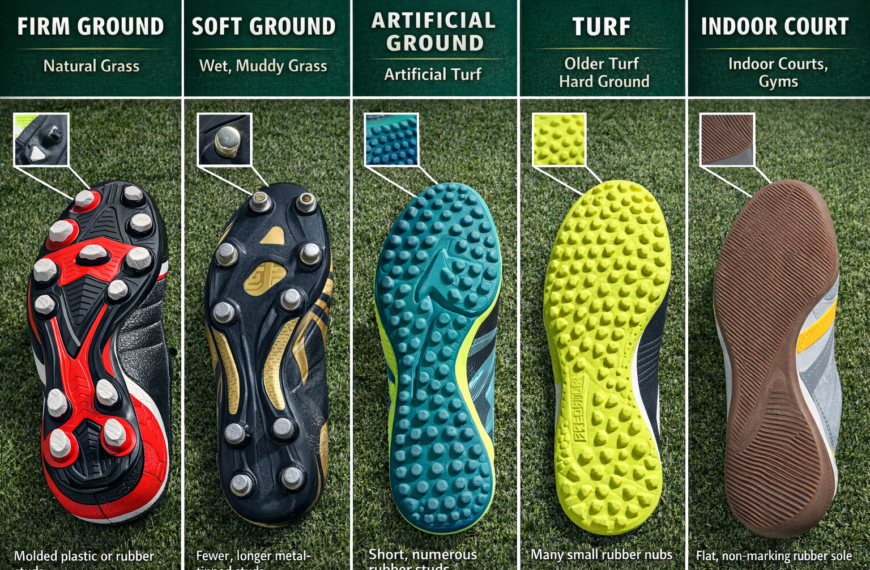
Firm Ground (FG) Cleats are your workhorses—designed for natural grass fields that are relatively dry. You’ll recognize them by their molded plastic studs, usually a mix of conical and bladed shapes. They’re versatile and reliable for most outdoor conditions.
Soft Ground (SG) Cleats come into play when conditions get nasty—muddy, wet, soft grass. SG cleats have longer, often removable metal studs that dig deep. They’re specialized tools for specific conditions.
Artificial Turf (AG/TF) Cleats are designed for synthetic surfaces. Can I use firm ground cleats on artificial turf? Technically yes, but you shouldn’t. FG studs can catch on turf and increase injury risk. AG cleats have more numerous, shorter studs that distribute pressure better.
Indoor (IN) Soccer Shoes aren’t really cleats—they’re flat-soled shoes with gum rubber outsoles for court surfaces.
Multi-Ground (MG) Cleats work decently on both natural grass and artificial turf, making them great if you play on different surfaces regularly.

The Fit: Where Most People Go Wrong
Here’s a truth bomb: how should soccer cleats fit is probably the most important question in this entire guide.
Soccer cleats should fit snug—like, “these feel almost too tight” snug—but not painful. You want about a thumb’s width between your longest toe and the end of the cleat. Your heel shouldn’t slip, and the sides shouldn’t pinch.
Why so tight? Because soccer requires precise control. Even a little extra space means your foot slides around, reducing your touch and increasing blister risk. Plus, cleats stretch slightly as you break them in.
For Wide Feet: Look for cleats specifically designed with wider lasts. New Balance and some Nike models work better than narrow European cuts.
For Narrow Feet: Adidas traditionally runs narrower, which works beautifully for slim feet.
And please, don’t buy soccer cleats for kids that are too big thinking they’ll “grow into them.” Buy the right size now and plan to replace them as they grow.
Check Out : The-best-soccer-cleats-2025
Breaking In Your New Cleats: The Blister-Free Method
Start small. Wear them around the house for 15-20 minutes. Do this for a few days. Then progress to light practice sessions—maybe just passing drills or light jogging. Gradually increase intensity over a week or two.
Here’s my pro tip: wear two pairs of socks during break-in, or use moleskin on known hot spots. Some players stuff their cleats with wet newspaper overnight to help stretch them slightly.
Leather vs Synthetic: The Material Debate
Which material is better for soccer cleat uppers? It depends on what matters to you.
Leather Soccer Cleats offer better touch and feel, mold to your foot over time, and become incredibly comfortable once broken in. However, they require maintenance, are generally heavier, and less water-resistant.
Synthetic Soccer Cleats are lightweight, more durable in wet conditions, easier to maintain, and ready to perform right out of the box. They’re also more affordable at entry levels but don’t break in as much.
I’ll be honest: premium synthetic materials have gotten incredibly good. The difference in touch between high-end synthetics and leather is minimal now.
| Property / Feature | Leather Cleats | Synthetic Cleats |
|---|---|---|
| Material Type | Natural leather (often kangaroo / calf) | Man-made synthetic fabrics |
| Fit & Comfort | Molds to foot over time | Consistent fit, minimal break-in |
| Ball Touch & Feel | Excellent, soft, classic touch | Good to very good; engineered performance |
| Weight | Slightly heavier | Generally lighter |
| Durability | High, long-lasting if cared for | Very durable, less water-sensitive |
| Water Resistance | Can absorb water / heavier in wet conditions | Water-resistant, stable in moisture |
| Break-in Period | Longer (softens with wear) | Short / virtually no break-in |
| Price Range | Mid to High | Budget to Premium |
| Maintenance | Requires cleaning & conditioning | Low maintenance |
| Best For | Players valuing classic feel & ball control | Players valuing speed / engineered performance |
| Typical Players | Playmakers, traditionalists | Speed-oriented, competitive athletes |
Choosing Cleats for Your Position and Playing Style
The best soccer cleats for strikers aren’t necessarily ideal for defenders.
Strikers and Wingers benefit from lightweight soccer cleats for speed with clean striking surfaces. Laceless soccer cleats or models with minimal lacing offer cleaner striking zones.
Midfielders need all-around performers—decent touch, comfortable for covering ground, and reliable traction for quick direction changes.
Defenders should prioritize durable soccer cleats with good support and protection. You’re making tackles and blocking shots—durability matters more than shaving off a few grams.
Stud Configuration: The Traction Science
What is the best stud type for traction and safety?
Conical Studs are circular and allow for easy rotation—great for players who change direction frequently. They’re generally safer for your joints.
Bladed Studs provide excellent forward/backward traction, popular with players making lots of linear sprints. However, they can increase rotational injury risk.
Mixed Configuration combines both types strategically. Most modern firm ground soccer cleats use this approach—conical studs around the perimeter for rotation, bladed studs in the center for acceleration.
Weather and Field Conditions: Matching Your Cleats to the Game
How do weather and field conditions affect which soccer cleats you should wear? More than you think.
Dry, Firm Conditions: Standard FG cleats work perfectly.
Wet, Muddy Conditions: This is SG territory. Those longer studs prevent sliding. If you don’t have SG cleats, FG cleats with conical studs perform better in mud than bladed ones.
Hard, Dry Ground: Consider AG cleats even on natural grass.
Artificial Turf: Always use AG-specific cleats to protect your body from higher impact forces.
Budget vs Premium: What You Actually Get
What are the key differences between budget and premium soccer cleats in terms of performance?
Premium Cleats ($150-300+) offer advanced materials, better touch and ball feel, more comfort out of the box, enhanced traction patterns, and better durability.
Budget Cleats ($40-100) feature heavier materials, less refined fit, but adequate performance for recreational play.
Here’s the reality: if you’re playing recreationally or just starting out, budget soccer cleats for beginners work fine. But if you’re playing competitively, premium cleats justify their cost.
| Feature / Attribute | Budget Soccer Cleats | Premium Soccer Cleats |
|---|---|---|
| Typical Price Range | $30 – $90 | $150 – $350+ |
| Upper Material | Synthetic or basic materials | High-end microfiber, knit, or kangaroo leather |
| Fit & Comfort | Standard fit, less molding | Adaptive fit, precision shaping |
| Weight | Moderate to heavier | Lightweight for agility and speed |
| Touch & Ball Feel | Basic responsiveness | Enhanced ball control and feedback |
| Durability | Good for casual use | Engineered for performance and longer wear |
| Stud Configuration | Standard moulded | Advanced, position-optimized options |
| Traction & Acceleration | Suitable for recreational play | Improved grip for explosive movement |
| Brand Tech Features | Minimal proprietary tech | Includes tech like Flyknit, Control Skin, All Conditions Control |
| Performance Level | Beginner / recreational | Competitive / elite performance |
| Recommended For | Casual players, training | Competitive players, match play |
When to Replace Your Cleats: Reading the Warning Signs
How often should soccer cleats be replaced? Watch for separated or loose studs, worn down stud tips, cracked or torn uppers, separated sole from upper, and compressed insoles.
Most players get 6-12 months from cleats depending on usage frequency and playing surface.
Laceless vs Traditional: The Modern Debate
Are laceless soccer cleats better than traditional laced models?
Laceless offer a cleaner striking surface and no laces to come untied. Traditional laced provide adjustable fit and are generally more comfortable for wider feet.
Honestly? This is personal preference. Both perform excellently at the highest levels.
The Soccer Cleats Size Guide: Getting It Right Online
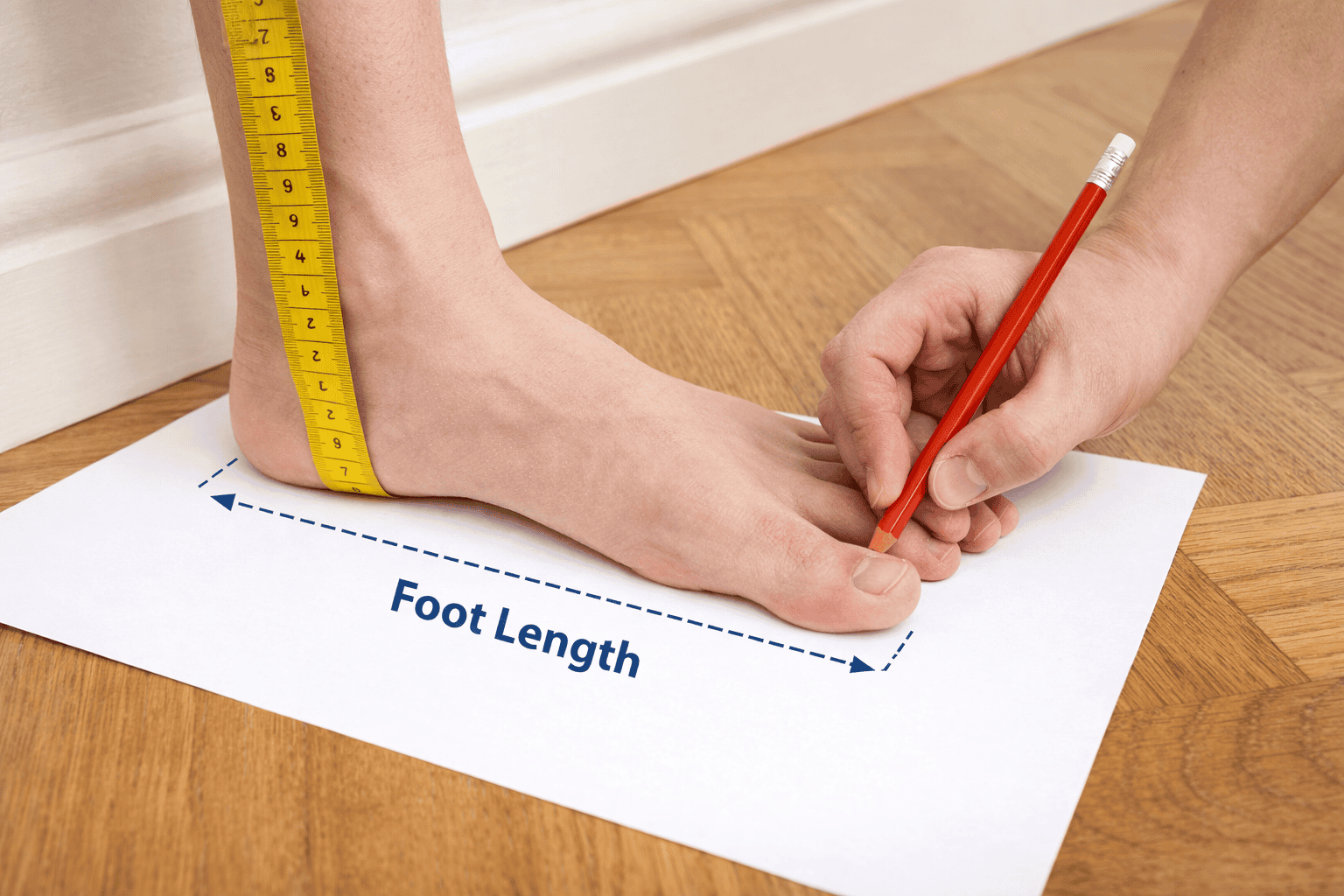
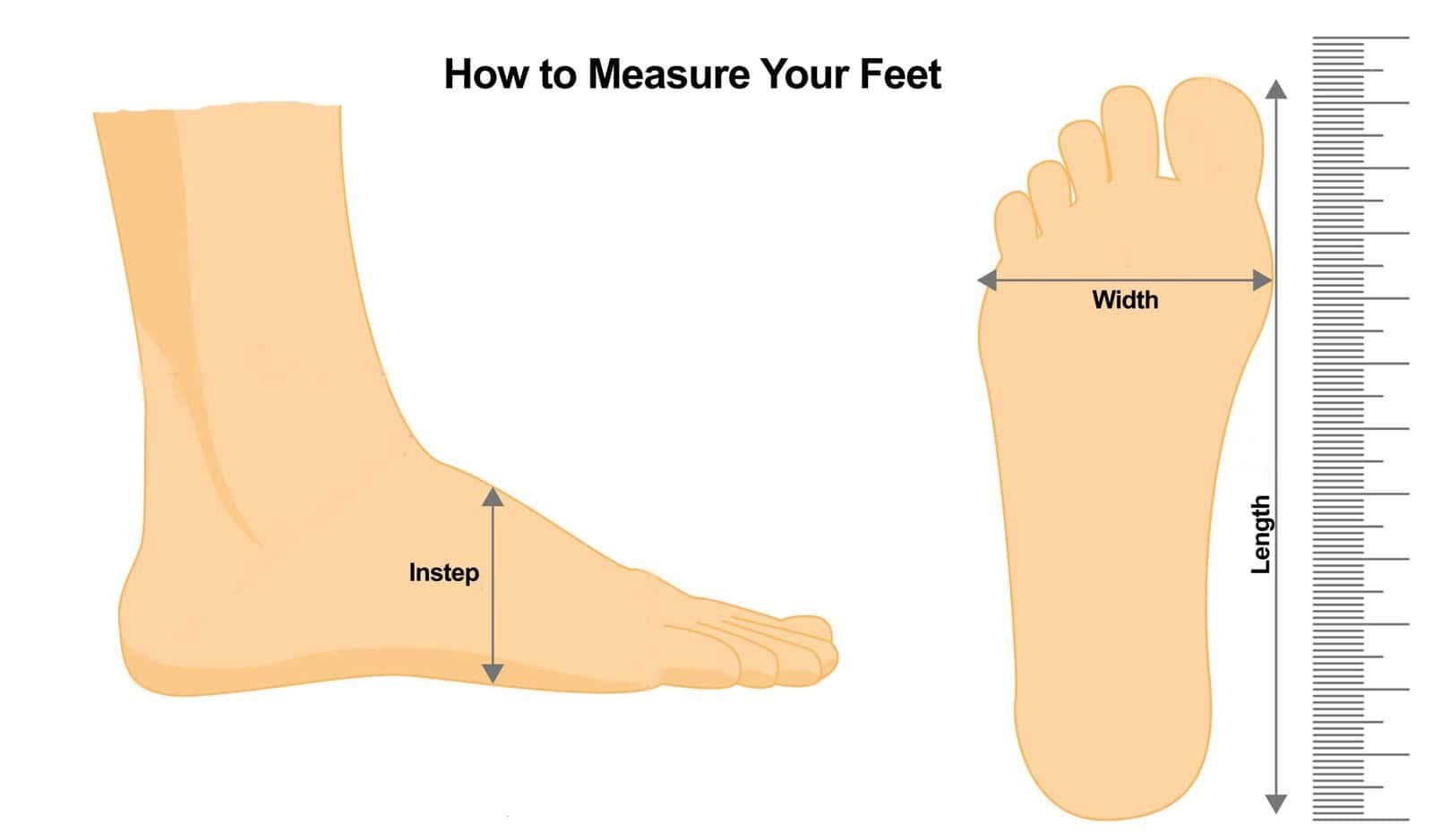
Buying cleats online? Measure both feet at the end of the day, check brand-specific sizing charts, read reviews for fit feedback, order two sizes if between measurements, and try them on with your actual playing socks.
Quick-Hit Advice for Common Scenarios
Playing on both grass and turf regularly? Get MG cleats or invest in two pairs if budget allows.
Youth players growing fast? Buy the right size now; replace as needed.
First pair ever? Start with FG cleats in a mid-range price point.
Playing in varied weather? Have both FG and SG options if you play competitively.
The Bottom Line
Choosing the right soccer cleats isn’t complicated once you understand the basics. Know your surface, get the fit right, match features to your position, and buy within your budget.
The perfect pair of cleats won’t make you a better player overnight, but the wrong pair will absolutely hold you back. They’re the foundation of your game—literally. So take the time to get this right.
Start by honestly assessing where and how you play. Then narrow down by fit and budget. Try on multiple options if possible. And remember: the most expensive cleats aren’t always the best soccer cleats for you.
Now get out there and find your perfect pair. Your feet—and your game—will thank you.


 By
By