Soccer Training to Do Alone: 12 Drills That’ll Actually Make You Better
There’s something oddly liberating about training alone. No waiting for teammates to show up. No adjusting to someone else’s schedule. Just you, a ball, and the chance to work on exactly what you need. But here’s where most players mess up: they kick a ball around aimlessly for twenty minutes, call it “training,” and wonder why their game isn’t improving.
I’ve spent countless hours training solo, and I can tell you this: solo soccer training works when you have a plan. Without one? You’re just burning daylight.
Whether you’re a kid trying to make the school team, a parent looking to help your child improve, or a player stuck without teammates, this guide breaks down the best soccer drills to do alone that actually move the needle.
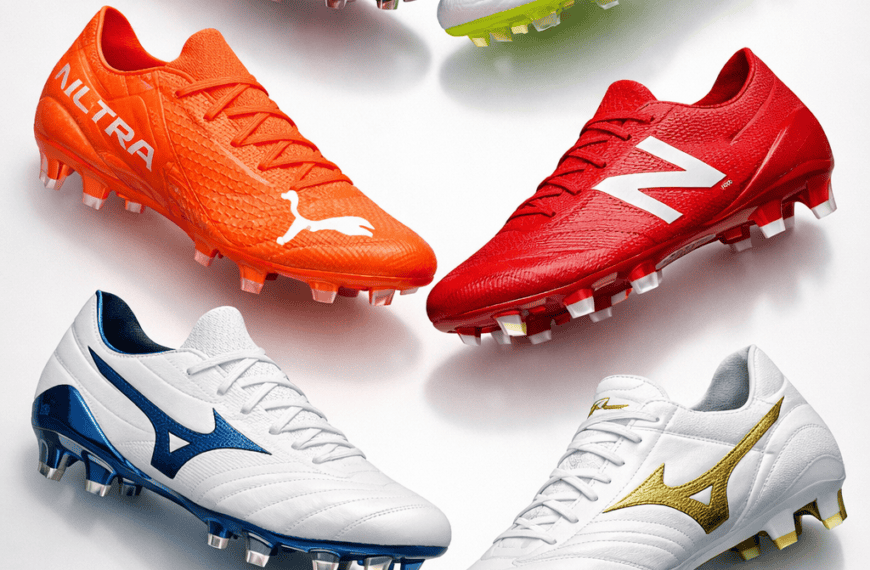
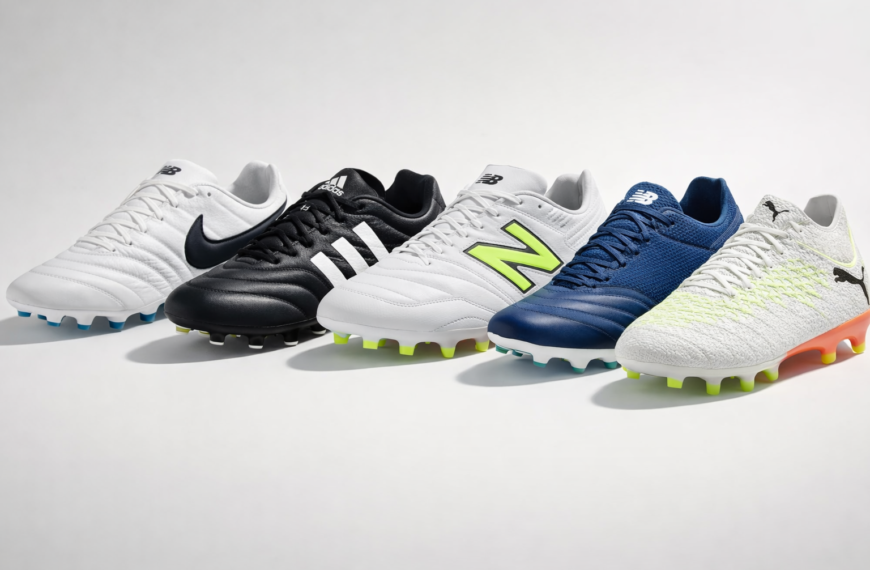
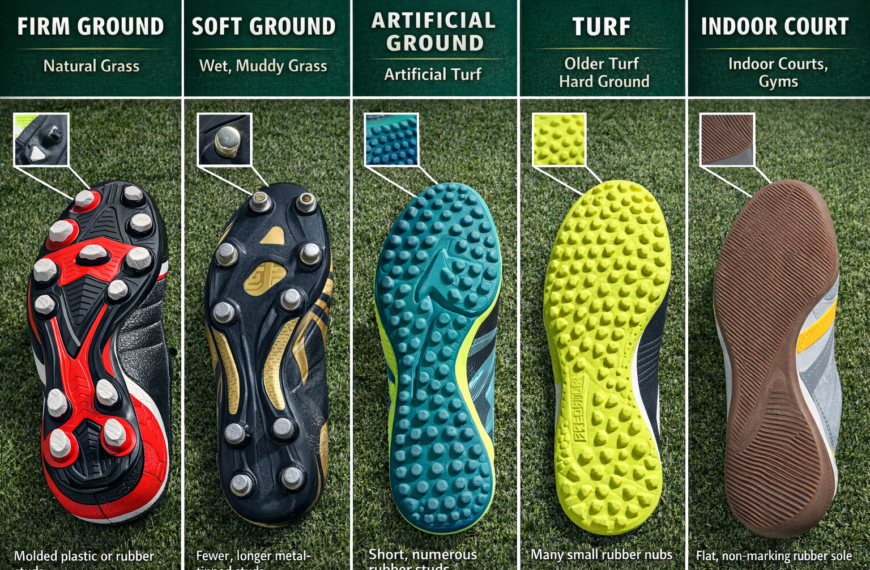
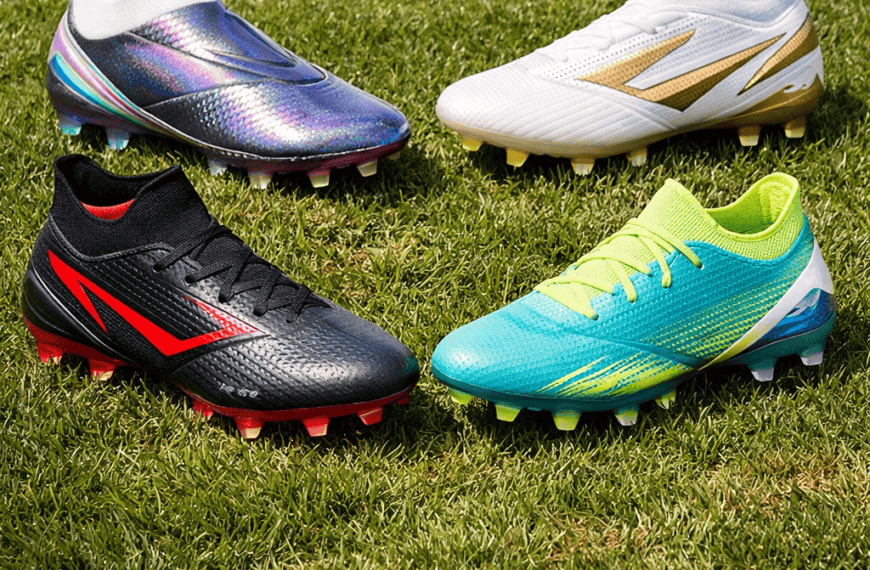
Before diving into the topic make sure the cleats you are using fits your feet and your playing position. If you don’t know about which cleat to pick you can check our guide on it below :
Table of Contents
1. The Wall Pass Master: Your Best Training Partner Never Complains
Find a wall. A garage door, a brick wall at the park, even a solid fence—any flat surface becomes your perfect training companion.
Start simple: pass the ball against the wall with your dominant foot from about 10 feet away. Receive it back, then pass again. Switch to your weaker foot. Move closer for quicker exchanges. Back up for harder passes. Try one-touch passing where you immediately redirect the ball back without stopping it.
Mark targets on the wall with chalk or tape. Aim for specific spots to improve passing accuracy. This soccer wall drill for passing and shooting is stupidly simple but incredibly effective.

2. Cone Dribbling Patterns: Making Your Feet Actually Listen
Set up 6-8 cones in a straight line about 3 feet apart. No cones? Use water bottles or shoes.
The basic weave: Dribble through using only the inside and outside of one foot. Keep the ball close—if it’s more than a foot away, you’re going too fast.
The crossover: Use both feet, touching the ball with the inside of alternating feet as you weave through.
The backwards: Dribble backwards through the cones using the sole of your foot. This builds coordination and spatial awareness.
Time yourself. Track improvements.
3. First Touch Against the Wall: Because Control Wins Games
Stand 15 feet from a wall. Pass firmly so it bounces back with pace. Your job? Kill it dead with one touch. Use the inside of your foot, outside, sole, thigh, chest—everything.
Mix up the angles. Pass slightly to your left or right so you have to adjust your body position. This first touch drill against a wall simulates receiving passes under pressure when defenders are closing you down.
4. Solo Shooting Drills: Because Goals Matter
No goal? Mark two objects as goalposts—cones, water bottles, bags. Place them about 8 feet apart.
Static shooting: Place the ball at different spots around your makeshift goal. Practice with both feet, focusing on technique over power.
Dribble and shoot: Start 20 yards back, dribble toward the goal, then shoot. The challenge is shooting accurately while your body is moving forward.
Rebounder target practice: If you have a portable rebounder net, angle it to return the ball from different positions.
5. Agility Ladder Work: Your Feet Need to Be Quick
An agility ladder (or lines marked with tape) transforms footwork.
Basic in-and-out: One foot in each square, moving forward quickly.
Two-touch shuffle: Both feet touch in each square, shuffling laterally.
Ickey shuffle: In-in-out pattern that builds serious coordination.
Run each pattern 3-5 times. Rest. Repeat. This agility ladder drill for soccer players is especially valuable for younger athletes building foundational movement patterns.
6. Juggling Progressive Challenge: The Patience Builder
Juggling builds touch, coordination, and comfort with the ball in the air—all critical game skills.
Start with hands. Drop the ball, kick it back to your hands. Can you do ten? Twenty?
The ladder method: Can you do 5 juggles consistently? That’s your new minimum. Once you hit 10 consistently, that becomes your new minimum. Build from there.
Mix surfaces: thighs, chest, head, feet. Switch feet.
7. Conditioning Without the Ball: Because Soccer Is Running
Suicide sprints: Mark lines at 10, 20, and 30 yards. Sprint to the first, back to start. Sprint to the second, back to start. Sprint to the third, back to start. Rest one minute. Repeat 5 times.
High knees and butt kicks: 30 seconds each, alternating, for 5 minutes total.
Burpees: Sets of 10 with 30-second rests.
These soccer conditioning workouts without a ball build the engine that lets you execute skills in the 89th minute when everyone else is exhausted.
8. The Cone Gate Challenge: Precision Under Pressure
Set up pairs of cones about 2-3 feet apart, creating “gates” scattered randomly. You need at least 5-6 gates.
Challenge: dribble through as many gates as possible in 60 seconds using both feet. Can’t go through the same gate twice in a row. This individual soccer skills training drill forces you to scan, make decisions, and execute quickly.
Track your score. Beat it next session.
9. Weak Foot Focus Day: Embracing the Awkward
Your weak foot makes you predictable. Defenders know it. They use it against you.
Dedicate entire sessions to only your weak foot. Everything—dribbling, passing, shooting, first touch. Start with basic ball rolls and toe taps. Progress to cone weaving drills. Then wall passes. Then shooting.
10. Smart Ball Training: When Technology Actually Helps
Products like the DribbleUp Smart Soccer Ball connect to apps that track your touches, accuracy, and consistency. The app sets up challenges—crossovers, sole rolls, inside-outside touches—and counts reps.
For solo players, especially young ones, this structure prevents the “kick it around randomly” trap. These soccer training apps for solo players bridge the gap between having a coach and training completely on your own.
Click here to see the product : DribbleUp Smart Soccer Ball
11. Rebounder Net Sessions: Creating Your Own Passes
A quality rebounder net changes solo training completely. Angle it low for ground passes, high for volleys, steep for headers.
15-minute rebounder workout:
- 3 minutes: two-touch passing (control, return)
- 3 minutes: one-touch passing (reaction speed)
- 3 minutes: volleys from tosses
- 3 minutes: driven shots with returns
- 3 minutes: weak foot only
12. The Full Session Structure: Putting It All Together
How do you structure a 30-60 minute solo soccer session?
Warm-up (5-10 minutes): Light jogging, dynamic stretching, basic ball touches.
Technical focus (20-30 minutes): Pick 2-3 drills. Maybe cone dribbling + wall passes + shooting.
Conditioning element (10-15 minutes): Agility ladder or sprint work.
Cool-down (5 minutes): Juggling, light touches, static stretching.
| Duration | Warm-up | Technical | Conditioning | Cool-down |
|---|---|---|---|---|
| 30 min | 5 min | 15 min | 7 min | 3 min |
| 60 min | 10 min | 30 min | 15 min | 5 min |
Equipment Essentials for Solo Training
What do you actually need for effective solo soccer training at home?
Must-haves:
- Proper boots for training sessions
- Training balls for solo drills (size 4 for under 12, size 5 for 12+)
- 6-8 training cones or markers
- Wall or rebounder net
Nice-to-haves:
- Agility ladder
- Training app subscription
- Mini hurdles for plyometric work
How Often Should You Train Alone?
How often should you train alone each week to see real improvement? The honest answer: 3-5 times weekly, minimum 30 minutes per session.
Consistency beats intensity every time. Three focused 30-minute sessions will improve your game more than one brutal 90-minute workout followed by five days off.
For kids, keep sessions shorter (20-30 minutes) but more frequent.
Making Indoor Training Work
Indoor training mats or footwork pads let you work on touches, sole rolls, and ladder-style footwork without destroying floors.
Focus on close ball control with soft touches, sole roll patterns, stationary juggling, footwork patterns on mats, and core exercises. Save the power work for outdoors.
The Bottom Line
Soccer training to do alone isn’t just a backup plan—it’s often where the most significant improvement happens. There’s no hiding your weaknesses when it’s just you and the ball.
The players who make it to the next level? They’re the ones putting in these solo sessions consistently. They’re working on their weak foot in the backyard. They’re doing wall passes at the park. They’re structuring their training with purpose.
Start with three sessions this week. Pick three drills from this list. Track your progress. That’s how individual soccer training transforms casual players into serious competitors.
Your backyard, garage wall, or local park is waiting. The ball doesn’t care about your excuses—it just responds to your work.


 By
By